A custom kidswear trim specification should explain what each component is, where it belongs, how it changes across sizes and what must be checked on a sample. A reference photograph helps communicate a look. A written component list makes the quotation request more precise for a private-label clothing project.
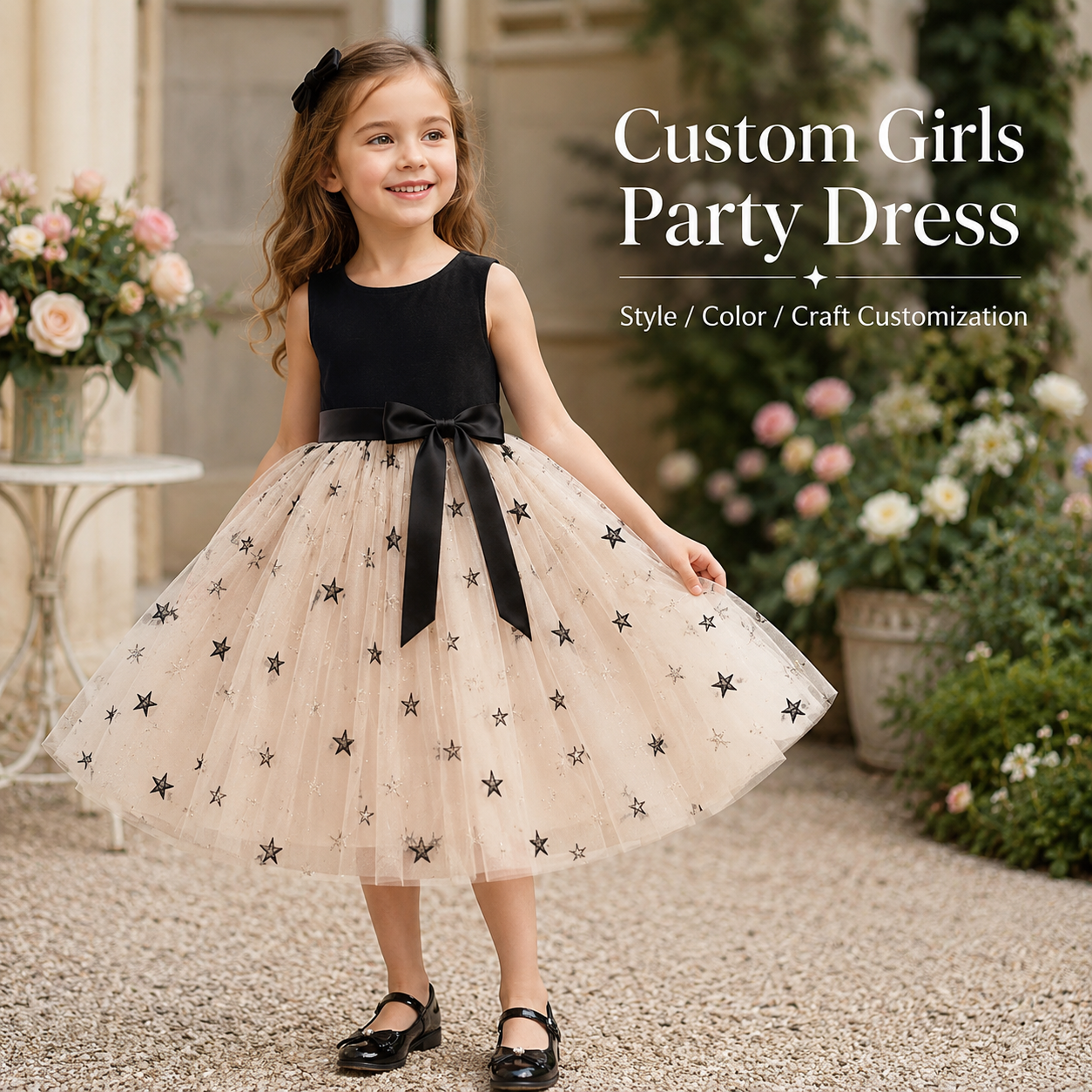
MANZIV works with enquiries covering children’s clothing and doll clothing. The brief should identify the intended product category first: a child’s party dress, an everyday outfit and a doll garment require different measurements and development questions. This guide uses a star-pattern party dress as a visual example of how to turn decorative details into a reviewable specification.
Start with one style and one revision
Give the garment a style code, date and revision number. Place the same code on the reference sheet, measurement chart and component list. Mark the current version clearly when sending revised files. Otherwise, a supplier may be asked to quote a new sketch while reviewing an older set of trim notes.
Use the MANZIV kidswear collection to identify a category, then list your proposed changes separately. A selected look is a starting point for discussion. It does not by itself confirm stock, material composition, construction or a ready-to-ship product.
Build a component list
List the main fabric, lining, waistband, bows, lace, labels and closures as separate entries. Give each item a reference code. Describe the intended color, finish and dimensions, and note whether a physical sample or another agreed reference will guide approval.
For a decorative bow, specify its overall width, loop height, tail length and position relative to the waist seam. For a binding or lace trim, identify the visible width and the garment edges where it will be used. Keep the measurement unit consistent throughout the document. If you do not know a construction detail, mark it as a development question instead of guessing.
Explain size and category differences
State the sample size and provide the intended size range. Indicate which decorations should stay the same size and which require a proportion review. A bow that looks balanced on one sample may need a separate decision for a smaller or larger garment.
For children’s clothing, discuss the target age group, dressing access and target-market requirements with the development team. Do not infer safety or durability from a styled image. Record any required assessment and supporting documentation as project requirements, with the responsible review steps agreed before production.
Doll clothing needs its own fit brief. Identify the exact doll body, model or version and provide relevant measurements. A scale name alone does not establish compatibility. Avoid applying a children’s garment size chart to a dollwear project or promising a universal fit across bodies.
Review attachment and packing together
Clarify whether a component is fixed, removable or tied. Ask how its attachment interacts with openings, seams and lining. Mark the intended location on the front and back reference views. An image cannot reveal every hidden construction choice, so include these questions in the sampling discussion.
Packing can affect how a decorative detail arrives. State whether a bow should be arranged or tied, and whether hangtags or individual bags are requested. Treat packaging components as separate quotation items. Agree how the proposed presentation will be reviewed with the sample instead of assuming it is included.
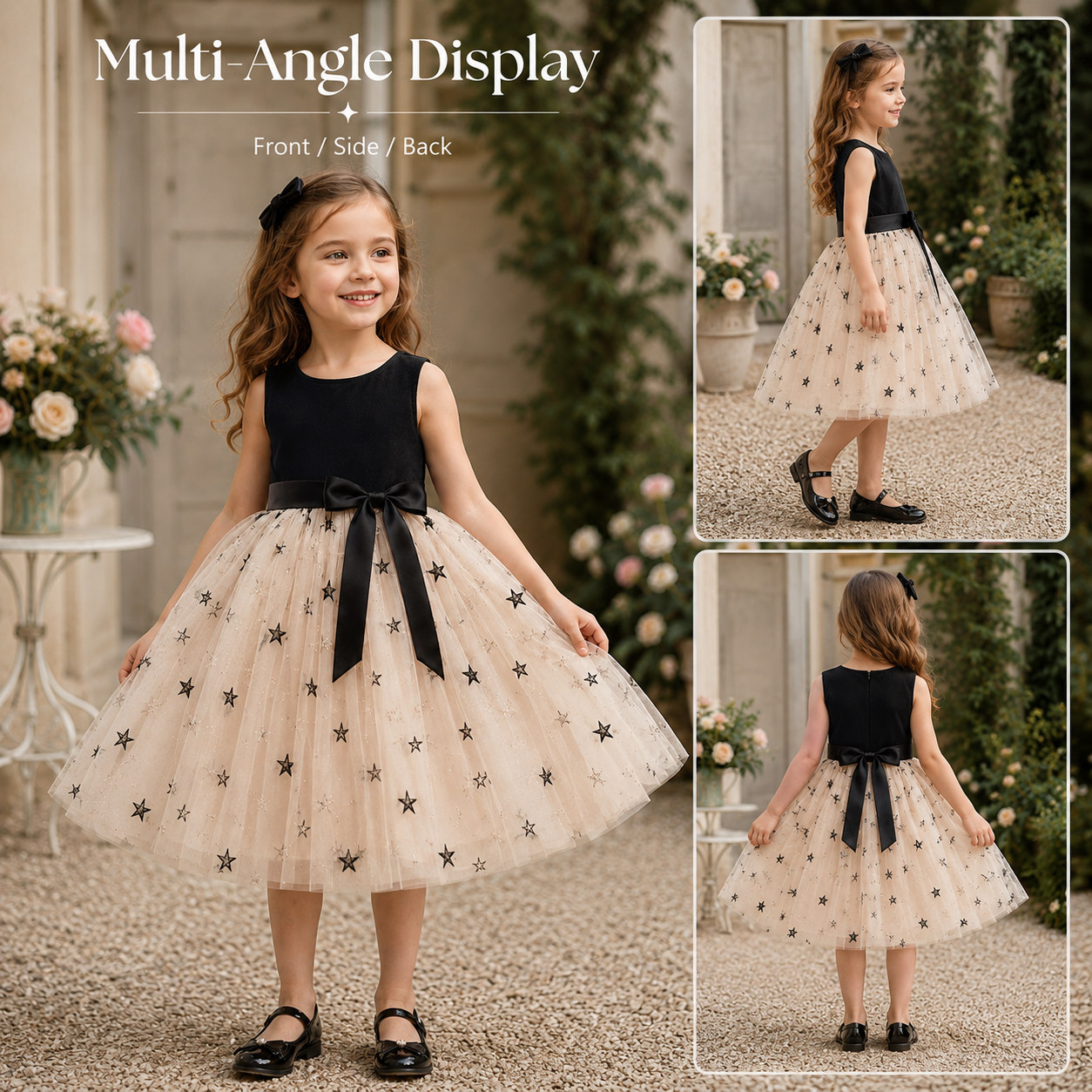
Keep approval records specific
During sample review, use three clear outcomes for each point: approved, revise or awaiting information. Attach dated photographs and measurements to the corresponding component code. Record the agreed material and construction version. A general message saying that a dress looks good should not replace a specific list of remaining revisions.
The MANZIV kidswear OEM service provides a route to discuss your garment brief, private labels and development questions. Final feasibility, materials, quantities, quotation and timing depend on the specific project and require confirmation.
Send a focused enquiry
Prepare one file with the style reference, category, component list, size chart, quantities by size, label requirements, packing needs and delivery destination. Separate confirmed choices from open questions so the first discussion can focus on what still needs a decision.
Contact MANZIV about your custom clothing project at mz@manziv.com or WhatsApp +86 158 8995 5375. Include whether your enquiry concerns kidswear or dollwear and which development stage you need help reviewing.